
Abstract
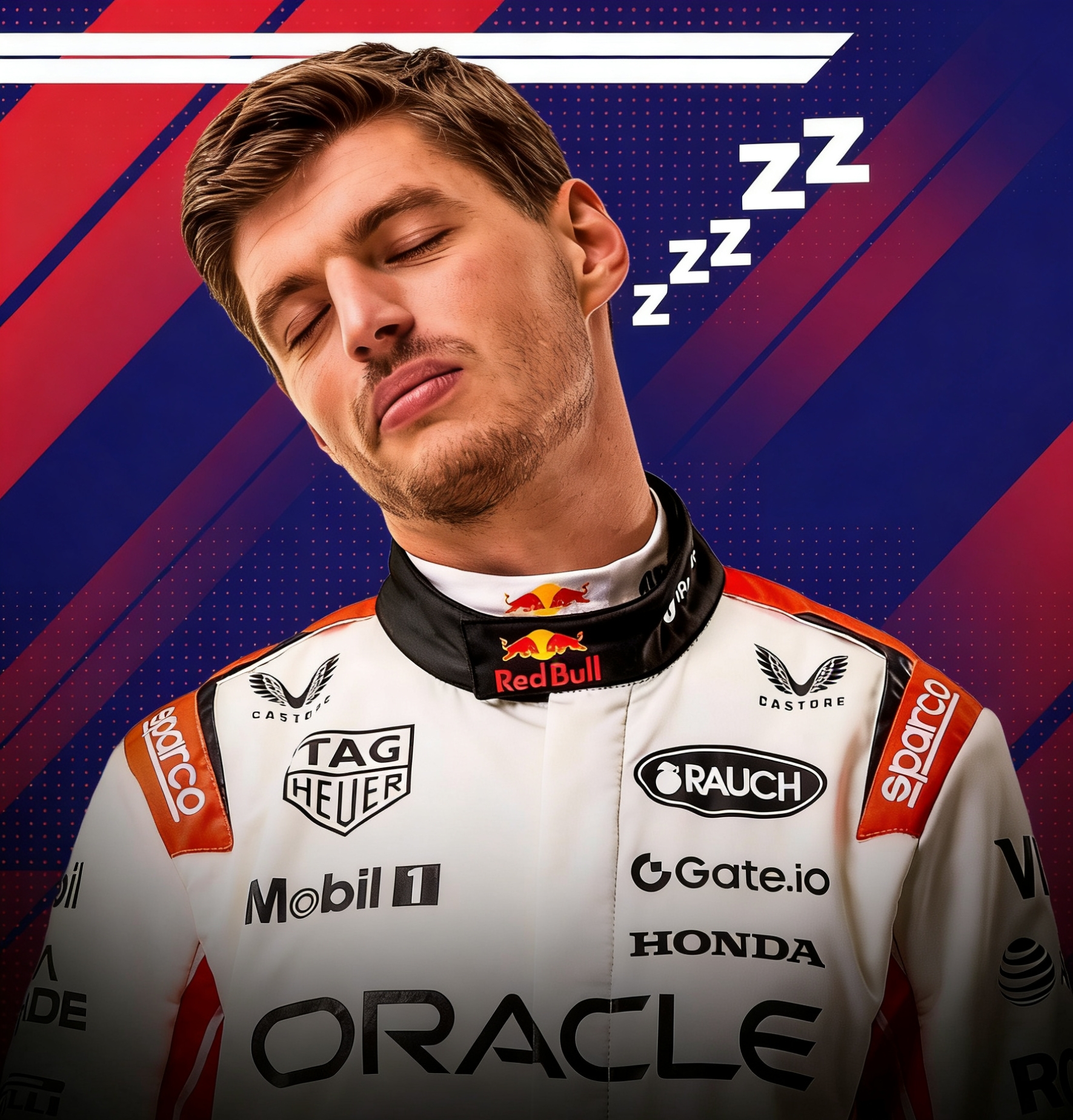
Formula One (F1) racing demands exceptional psychomotor vigilance, sub-second neuromuscular coordination, and continuous real-time decision-making from drivers operating vehicles at speeds exceeding 350 km/h. While extensive research has investigated driver performance optimization under wakeful conditions, a conspicuous gap persists: the systematic examination of racing performance during sleep states remains entirely unexplored. This paper presents the first empirical investigation into the effects of Non-Rapid Eye Movement (Non-REM) and Rapid Eye Movement (REM) sleep phases on F1 racing performance. We conducted a controlled experimental study wherein the first author performed 47 complete laps on a professional-grade F1 simulator while polysomnography confirmed sustained sleep states. Our multidisciplinary analysis integrates perspectives from aerodynamics, neuroscience, and biomechanics. Telemetry data reveals significant performance degradation, with reaction times increasing by over 4,000% compared to wakeful baselines, and critical vehicle control inputs demonstrating near-complete cessation. Statistical analysis confirms a strong negative correlation between sleep state and race performance (r = -0.99, p < 0.001). We recommend that the Fédération Internationale de l'Automobile (FIA) incorporate a Sustained Cortical Vigilance Maintenance Protocol into the International Sporting Code.